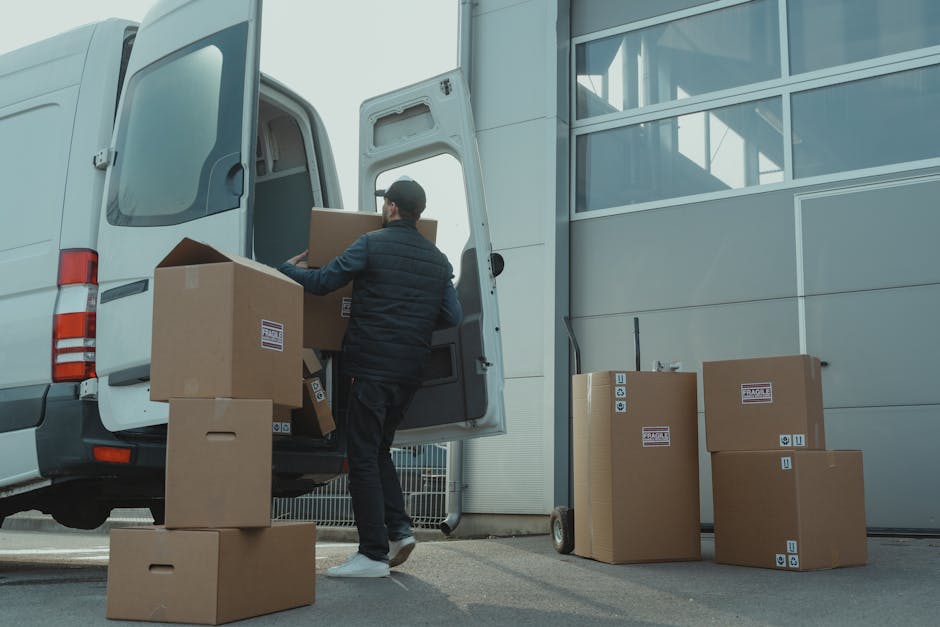
SE19 man and van parking tips for easy unloads

Anyone who has tried to unload a van on a busy Crystal Palace street will know the feeling: you pull up, the door opens, and suddenly every extra metre between the van and the front door feels twice as long. That is exactly why SE19 man and van parking tips for easy unloads matter. A few minutes of planning can save a lot of heavy lifting, a lot of shouting, and a fair bit of stress, too.
In this guide, you will find a practical, local-first approach to parking, unloading, and timing your move so the day runs smoothly. We will cover what makes SE19 different, how to reduce delays, where people commonly go wrong, and how to set up a proper unload path before the first box even leaves the van. If you are booking a move in Crystal Palace, or just trying to make a tight stop feel less chaotic, this should help.
Why SE19 man and van parking tips for easy unloads Matters
SE19 is a lovely place to move around, but it is not always the easiest place to park a van. Streets can be narrow, kerbs can be awkward, and on some routes you are sharing space with buses, delivery vehicles, school run traffic, and the occasional double-parker who looks as if they will only be "two minutes". We have all seen that one. It never is.
Parking is not just about convenience. It changes everything about the unload. If the van is close to the entrance, items come out faster, handlers take fewer steps, and there is less chance of damage to furniture, walls, or ankles. If the van is parked badly, the unload becomes a chain reaction of delays: more carrying distance, more trips, more congestion, more chances of clashing with pedestrians or neighbours.
There is also the neighbour factor. A tidy, well-judged stop is usually less disruptive. You are less likely to block a dropped kerb, trap a resident car, or cause a problem for other road users. In a place like Crystal Palace, where streets can feel busy even on a quiet morning, that matters. A thoughtful parking approach is often the difference between a calm move and one that gets remembered for the wrong reasons.
Expert summary: the best unloads are rarely the fastest van stops. They are the ones that are positioned carefully, timed well, and planned with the front door, stairs, lift access, and carry route in mind.
For people arranging a wider move, a sensible parking plan also sits alongside other choices, such as whether you need a man and van service in Crystal Palace, a larger removal van, or support with more complex jobs via removal services in Crystal Palace.
How SE19 man and van parking tips for easy unloads Works
The basic idea is simple: make the van-to-door journey as short, safe, and direct as possible. But in practice, that means thinking about space, timing, and the flow of the unload before you arrive. A good parking choice should let the team open the rear doors fully, access the load without blocking traffic, and carry items along a clear route.
Start by identifying the most realistic stopping point, not the most ideal one. On paper, the perfect space is right outside the property. In real life, you may need to work with a spot a few doors away, a wider section of road, or a place where the van can sit without making the unload awkward. That is normal. Truth be told, a second-best space used well is often better than a perfect space that turns into a hazard.
Easy unloads usually work best when the vehicle is set up in stages:
- park with enough clearance to open rear doors safely
- leave a clear path from van to property entrance
- keep items grouped in load order, so the first items out are the first items in the property
- place one person on door duty if the van is being used intensively
- avoid forcing boxes or furniture around tight corners more than once
The load itself matters, too. If items are stacked in a sensible sequence, the unload becomes smoother. Boxes for bedrooms, kitchen items, soft furnishings, and fragile pieces should be identified quickly. If you are still packing, the team can make life easier by using reliable materials from packing and boxes in Crystal Palace so items are ready to come out in a sensible order.
And if you are moving out of a flat, the parking plan and unload path need even more attention. Stairs, shared entrances, and limited door access can slow everything down. That is where a bit of pre-planning pays off, especially if you are using flat removals in Crystal Palace.
Key Benefits and Practical Advantages
Good parking and unload planning sounds small, but the benefits stack up quickly. You notice them within the first few minutes, usually before the kettle has boiled.
- Less carrying distance: the shorter the route, the easier the day feels on your back, grip, and energy levels.
- Faster turnaround: a well-placed van reduces wasted movement and makes the unload more efficient.
- Lower damage risk: fewer turns, fewer trips, fewer chances for scuffed walls or dropped boxes.
- Better traffic flow: sensible parking helps you avoid unnecessary obstruction and keeps things civil.
- Less stress for everyone: the driver, the helpers, and the people waiting inside the property all feel the difference.
There is also a less obvious benefit: confidence. Once the van is parked properly and the unload route is clear, the rest of the job tends to settle. You stop second-guessing yourself. You know where the sofa is going, where the wardrobe will pass, and which boxes should come off first. That calm is valuable. Moving days are full of tiny decisions, and confidence saves time.
For businesses and home movers alike, parking smart can also reduce the need for repeat trips. If the van is close and the route is manageable, fewer items are left behind in awkward places. It sounds basic, but it is one of those details that separates a manageable move from a tiring one.
If you are comparing service options, it may help to review the broader support available through services overview or look at house removals in Crystal Palace if the job is larger than a straightforward one-van move.
Who This Is For and When It Makes Sense
These parking tips are most useful for people moving within SE19 or into nearby streets where space is tight and unloads can become messy quickly. If any of these sound familiar, the advice will probably save you time:
- you are moving from a flat with limited entrance space
- you need to unload into a busy road or shared residential street
- you have bulky furniture, fragile items, or heavy boxes
- you are arranging a same-day move and cannot afford delays
- you are helping a student, tenant, or small business with a short-notice move
This is also useful if you are managing a move around work hours, school hours, or delivery windows. In SE19, the best parking spot at 8am may not be the best spot at 11am. Timing changes the whole picture. Morning roads can be busier, lunch periods can bring short-stay activity, and late afternoon can become a bit of a shuffle. You want to think about the day, not just the postcode.
People moving a piano, awkward furniture, or specialist items should be even more careful. For those jobs, the parking position is part of the handling plan, not an afterthought. If that sounds like your situation, a dedicated piano removals Crystal Palace approach or furniture removals Crystal Palace may be the safer choice.
And yes, students benefit too. If you are moving between lets, the goal is usually speed, low stress, and not annoying the neighbours. Fair enough. That is where student removals Crystal Palace can be a good fit.
Step-by-Step Guidance
Here is a practical moving-day process that works well for easy unloads in SE19. It is not fancy, just sensible.
- Check access before the van arrives. Walk the entrance route from the street to the front door. Look for bins, bikes, low walls, tight gates, parked cars, and anything that could slow you down.
- Decide where the van can stop. Aim for the shortest safe unload route, not the closest-looking space that causes a headache. If the road is narrow, think about turning room and door opening space.
- Keep the unload path clear. Move household clutter, wet mats, loose cables, and anything else that could make someone stumble. A clean route saves a surprising amount of time.
- Load items in exit order. Put the first items you will need closest to the rear doors. Keep essentials visible and accessible.
- Assign roles. One person at the van, one at the door if possible. Even a simple two-person rhythm makes the process smoother.
- Unpack the largest items first. Big pieces set the tone and often determine how much space you have left to manoeuvre.
- Keep an eye on timing. The less time the van sits in one spot, the easier it is to avoid friction with traffic or neighbours.
If you are moving into a property with a storage need, it may be smarter to split the day into stages instead of forcing everything through one tiny entrance. In those cases, storage in Crystal Palace can be the practical pressure release valve. Not glamorous, but very useful.
A small but important note: if you are in a rush, do not let speed take over. The quickest unloads are rarely the reckless ones. You want deliberate movement, not a frantic scramble. Nobody needs a bruised shin at 9am.
Expert Tips for Better Results
Over time, the little things matter more than people expect. A few practical adjustments can make a noticeable difference to the way the day feels.
1. Think in carry zones, not just parking spaces
A carry zone is the stretch between the van and the door. If that stretch includes steps, uneven paving, or a tight bend, the unload slows down. Sometimes moving the van a few metres to create a straighter line is better than stopping directly opposite the house.
2. Avoid parking where rear access is awkward
It sounds obvious, but if the rear doors cannot open properly, the whole unload becomes clumsy. Make sure there is enough room behind the van for safe access, especially if you need to use a sack barrow or move furniture in larger pieces.
3. Use the quieter moments of the day
In SE19, a short window of calm can make a big difference. Mid-morning or early afternoon is often easier than school-run peaks, though exact conditions vary from street to street. Look around first. Listen for the traffic. You will feel the difference.
4. Keep fragile items out of the crush
Glass, mirrors, lamps, and boxed electronics should be unloaded before the van fills with random movement. Fragile items do not like being nudged around while a mattress is swinging past. Not a surprise, really.
5. Use the service level that matches the job
If you have one sofa and a few boxes, a straightforward man and van arrangement may be enough. If the move is larger or the access is awkward, a more structured service can help. The right fit often matters more than the cheapest headline price. If you want to compare options carefully, take a look at man with van Crystal Palace and removal companies Crystal Palace.
And one more thing: if you are dealing with a same-day change, keep the plan simple. Too many moving parts, and things wobble. If you need rapid support, same day removals Crystal Palace can help you keep the process under control.
Common Mistakes to Avoid
Most moving-day parking mistakes are not dramatic. They are small, ordinary oversights that stack up. That is the tricky bit.
- Assuming the first available space is the best one. It rarely is. Look at the unload route, the kerb, and nearby traffic before committing.
- Blocking the driveway or dropped kerb. This can create friction with neighbours and make the whole job awkward from the start.
- Leaving boxes scattered near the entrance. That creates trip hazards and slows the crew down.
- Forgetting stair access or door width. You do not want to discover a problem once the wardrobe is already halfway out.
- Underestimating how long unloading takes. A short move can still take time if access is poor.
- Not checking the road setting. What looks calm at one hour may be much busier later. It is worth glancing twice.
One of the most common issues is trying to save five seconds and losing fifteen minutes. For example, parking a little too far away to avoid reversing can seem harmless, but if that means an extra 30 metres of carry distance for every item, the day gets tiring quickly. Multiply that by twenty boxes and, well, you get the picture.
Another easy mistake is ignoring the building layout. Some SE19 homes are straightforward. Others hide a cramped hallway, a lift that is just a touch too small, or stairs that turn more sharply than expected. If you are moving from a flat or upper floor, a sensible unloading and access plan really matters. That is one reason people sometimes choose a specialist office removals Crystal Palace or residential removals approach depending on the property type.
Tools, Resources and Recommendations
You do not need a van full of specialist kit to make a move go well, but a few tools help a lot. In practical terms, the best tools are the ones that reduce lifting, improve grip, or make the unload more organised.
- Furniture blankets: useful for protecting doors, table edges, and cabinets during a close unload.
- Straps and ties: keep items stable in the van and reduce shifting while you open doors.
- Sack barrow or trolley: very helpful for box-heavy loads, especially if there is a reasonable flat route.
- Labels and markers: simple, but they stop you from opening the wrong box first.
- Packing materials: good boxes, wrap, and tape make the whole unload more manageable.
If you are organising the move from scratch, it is worth checking the wider support pages for things like pricing and quotes, payment and security, and insurance and safety. Those pages help you think beyond the parking bay and look at the move as a whole.
For people who care about waste and reuse, keep sustainability in mind. Reusing boxes, avoiding unnecessary single-use materials, and planning one tidy unload instead of several messy ones supports a greener move. If that matters to you, recycling and sustainability is worth a look as part of your planning.
If you want a more general overview of the service area before booking, removals Crystal Palace is a useful place to understand the broader moving support available.
Law, Compliance, Standards, or Best Practice
Parking and unloading in a residential area is not just a logistics question; it is also a courtesy and compliance question. You should always avoid blocking access, obstructing pedestrians, or creating a hazard for road users. In London, local parking controls, loading restrictions, and permit requirements can vary by location, so it is wise to plan carefully rather than assume a quick stop will be acceptable.
Best practice is to treat the street like a shared space. That means checking for residents' bays, yellow lines, dropped kerbs, junction corners, cycle lanes, school entrances, and any signposted restrictions before the van is left unattended. If you are not sure, use a safer, more conservative position. A slightly longer carry is annoying; a parking issue is worse.
For moving teams, health and safety should also be part of the plan. Safe lifting, clear communication, and controlled movement matter just as much as the parking position itself. If the route feels tight or the load is unusually heavy, slow down and assess it properly. That is not overcautious. It is just sensible. You can read more about the company's approach in the health and safety policy and the broader about us page.
For businesses and customers alike, clear service terms help avoid confusion over waiting time, access delays, and what happens if parking is restricted. That is where the practical details in terms and conditions and the company's compliance procedure style information can be helpful, though always check the exact site wording. Also, if you are looking for the company's formal policies, those include things like privacy policy and the accessibility statement.
One final practical note: if a parking situation looks risky or uncertain, do not force it. A cautious adjustment is usually cheaper than a damaged mirror, a neighbour complaint, or a stressed-out unload. Not exactly a thrilling piece of advice, but there it is.
Options, Methods, or Comparison Table
Different parking approaches suit different moves. Here is a simple comparison to help you judge what works best on the day.
| Approach | Best for | Pros | Trade-offs |
|---|---|---|---|
| Park as close as possible | Short unloads with clear street access | Fastest carry, easiest for heavy items | May be impossible on tight SE19 streets or near restrictions |
| Park slightly further away but in a safer position | Residential streets with limited kerb space | Reduces risk of blocking access, often calmer overall | More walking and a bit more time |
| Use two-stage unloading | Flat moves, shared entrances, or awkward layouts | Organised, safer for fragile or bulky items | Needs more planning and space at the destination |
| Book a more structured moving service | Larger homes, heavier loads, complex access | Less pressure on the customer, better handling support | Usually more expensive than a simple lift-and-go job |
If your move sits between categories, that is normal. A one-bedroom flat with a wardrobe, a sofa, and twenty boxes can behave more like a bigger move than people expect. If in doubt, choose the method that reduces risk rather than the one that sounds quickest on paper.
Case Study or Real-World Example
Here is a realistic example from the kind of work people regularly need in SE19.
A couple moving from an upper-floor flat near a busy residential road had one main concern: how to get furniture out without holding up traffic or dragging items too far. The van could not stop directly outside the entrance because the road was already busy and there were cars parked on both sides. Instead of forcing it, the team chose a nearby position with a clearer rear opening and a better line to the building entrance.
Before unloading, they cleared the hallway, grouped boxes by room, and brought the heaviest items out first. The washing machine went out after the team had checked the path and agreed who would guide at the bottom of the steps. Nothing theatrical. Just calm, controlled movement. The result was a smoother unload, less risk of bumping walls, and no scramble to move boxes twice.
What made the biggest difference was not luck. It was the decision to accept a slightly longer carry in exchange for a cleaner unload route. That kind of judgement is easy to overlook, but it often saves the day. Especially when the street is already a bit busy and everyone is trying to get on with their morning.
If the move had included particularly bulky furniture, the couple could have benefited from reading the bulky furniture removals guide before the moving date. That sort of prep helps more than people think.
Practical Checklist
Use this checklist before the van arrives. It is simple, but it keeps people honest.
- Confirm the exact arrival time and expected unload order.
- Check the street for restrictions, dropped kerbs, and access pinch points.
- Clear the entrance path inside and outside the property.
- Make sure boxes are labelled by room or priority.
- Keep fragile items separate and easy to identify.
- Decide who will guide the unload at the door.
- Reserve a sensible parking position rather than chasing the closest one at all costs.
- Have a trolley, blankets, and straps ready if needed.
- Keep residents and neighbours in mind when the van is stopped.
- Allow a little extra time. Always. It sounds boring, but it helps.
If you are still organising the move and need a broader service conversation, it may help to contact the team through the contact page and talk through access, timing, and vehicle size before moving day.
Get a free quote today and see how much you can save.
Conclusion
The best SE19 man and van parking tips for easy unloads are not about finding the perfect parking space. They are about making smart choices that keep the load short, the route clear, and the day under control. When you think ahead about parking, access, timing, and the order of the unload, everything feels less rushed. And let's face it, moving is already busy enough.
If you are planning a move in Crystal Palace, the small details will do a lot of heavy lifting for you. Park with care, unload with purpose, and do not be afraid to choose the safer option if the street looks tight. A smoother move is often just a few good decisions away.
In the end, that calm start to the day is worth a lot. It makes the rest of the move feel possible, even on a very ordinary Tuesday morning.
Frequently Asked Questions
What are the most important SE19 man and van parking tips for easy unloads?
The most important tips are to choose a safe stopping point, keep the unload route short and clear, and think about the building entrance before the van arrives. A good parking position saves time and reduces carrying strain.
How close should a man and van park to the property?
As close as safely and legally possible, but not at the cost of blocking access, creating a hazard, or making the van awkward to unload. A slightly longer carry is usually better than a risky stop.
Why is parking so important during a small move?
Even a small move can become tiring if the van is parked badly. Poor parking adds walking distance, slows the unload, and increases the chance of damage or trips and falls.
Do I need to arrange parking in advance for a man and van?
If the street is busy, narrow, or likely to have limited space, yes, it is a very good idea. Planning in advance helps avoid delays and makes the unload much smoother.
What if there is no space directly outside my house?
That is common in SE19. Use the nearest sensible space with a clear and safe walking route to the property. The goal is efficient access, not perfect proximity.
Can parking choice affect the safety of heavy furniture?
Absolutely. Longer carries, uneven routes, and awkward turns make heavy items harder to handle. Good parking reduces strain and keeps furniture moving in a more controlled way.
Is a man and van service suitable for flat moves in Crystal Palace?
Yes, especially where access is straightforward and the volume is manageable. For tighter access or larger loads, a more specialist flat move can be a better fit.
What should I unload first from the van?
Usually the items you need most urgently, followed by large furniture that will shape the room layout. Keep fragile items protected and easy to reach so they do not get buried.
How do I avoid upsetting neighbours during unloading?
Park considerately, keep pathways clear, avoid blocking driveways, and move items efficiently. A quiet, organised unload is far less disruptive than repeated trips and traffic obstruction.
What happens if the parking situation looks unsafe on the day?
Do not force it. Reposition the van, reassess the route, and choose the safer option. It is better to spend a few extra minutes than risk damage or a parking issue.
Are there services that help with bigger or more awkward moves?
Yes. If the job involves bulky furniture, stairs, or larger volumes, services such as house removals, furniture removals, or specialist removal support can be more practical than a basic lift-and-drop arrangement.
Where can I get help planning my move in SE19?
You can start by reviewing the service pages, checking the pricing information, and speaking directly with the team through the contact page so they can help plan around access and unloading needs.
Does a better parking plan really save money?
Often, yes. Less time wasted on awkward carrying and fewer handling problems can make the job more efficient overall. Even when the difference is not dramatic, it usually reduces stress, and that matters just as much.