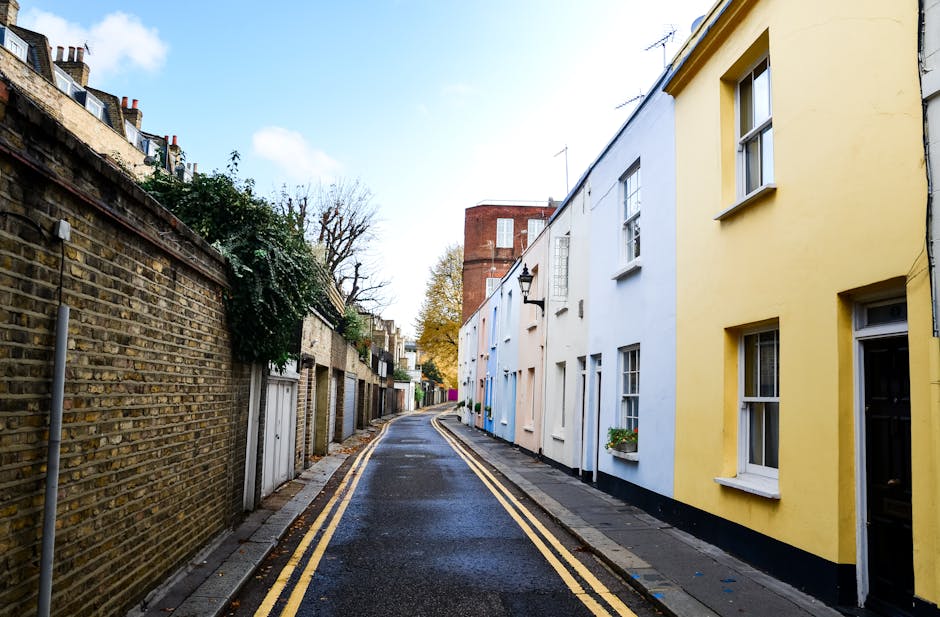
Westow Hill house removals narrow access solutions
Moving house on Westow Hill can feel straightforward on paper, and then you arrive at the property and realise the staircase is tight, the hallway turns sharply, or the front door opens onto a narrow pavement with nowhere obvious to stage a sofa. That is where Westow Hill house removals narrow access solutions become genuinely useful. The right approach saves time, reduces risk, and makes the day feel calm instead of chaotic. In our experience, the difference between a stressful move and a decent one is rarely luck; it is planning, measurement, and using the right equipment for the space you actually have.
This guide explains what narrow access moving really involves, how professional movers work around awkward entrances, and what you can do before moving day to make the whole process smoother. If you are comparing services, it also helps to understand where options like house removals, man and van, and packing and boxes fit into a narrow-access move. Let's face it, if your wardrobe barely clears the landing by an inch, the details matter.
Table of Contents
- Why Westow Hill house removals narrow access solutions Matters
- How Westow Hill house removals narrow access solutions Works
- Key Benefits and Practical Advantages
- Who This Is For and When It Makes Sense
- Step-by-Step Guidance
- Expert Tips for Better Results
- Common Mistakes to Avoid
- Tools, Resources and Recommendations
- Law, Compliance, Standards, or Best Practice
- Options, Methods, or Comparison Table
- Case Study or Real-World Example
- Practical Checklist
- Conclusion
- Frequently Asked Questions
Why Westow Hill house removals narrow access solutions Matters
Narrow access is more than a nuisance. It affects how removals are planned, what vehicle size can be used, how many people are needed on site, and whether the move can be done in one clean run or needs a staged approach. On Westow Hill, where roads, driveways, stairwells, and front entrances can vary a lot from property to property, the same van that works beautifully for one address may be useless for another.
There is also a simple truth here: most damage during a move does not come from the big obvious lift. It happens in the awkward moments. A corner caught on plaster. A scraping sound on a banister. A box dropped because the person carrying it had no clear line of sight. Narrow access solutions are designed to reduce those little fail points before they become expensive problems.
For homes with tight stairs, shared entrances, basement flats, or limited kerbside access, the job needs a practical method rather than brute force. That may mean a smaller vehicle, a shuttle load from a wider parking spot, furniture dismantling, or a move sequence that keeps the route clear. It is not glamorous work. But it works.
There is another angle too: time. The more difficult the access, the more time can disappear in small increments. A couple of extra minutes on each large item adds up quickly. Good planning keeps the move moving, which is exactly what you want when the kettle is packed and everyone is already slightly tired.
How Westow Hill house removals narrow access solutions Works
The process usually starts well before moving day. A proper narrow access move begins with an access check. That can be a phone conversation, photos, a video walkthrough, or an in-person visit if the property is complex. The point is to identify pinch points early: narrow hallways, low ceilings, steep stairs, parking restrictions, tight turning circles, shared entrances, and any furniture that looks perfectly normal until it has to go round a corner.
Once the access has been understood, the mover decides on the best method. For some houses, a small-to-medium van is enough. For others, the move works better as a shuttle from the property to a larger vehicle parked legally nearby. Sometimes the smartest move is not the biggest vehicle at all; it is the most manoeuvrable one. A bulky truck may be great on paper, yet completely unhelpful if the road layout makes loading awkward.
Then comes the packing and handling plan. Items may be wrapped more tightly, split into smaller loads, or dismantled to reduce the risk of snagging. Sofas, beds, tables, and wardrobes are common candidates for partial disassembly. Fragile items are packed so they can be carried in a way that leaves hands free and sightlines open. That seems obvious, but obvious is often where people go wrong.
On the day itself, the team will usually work in a sequence: protect the route, bring out the largest manageable items first, keep moving paths clear, and avoid unnecessary backtracking. If parking is tight, timing becomes part of the solution. If the access is especially awkward, the team may use lifting straps, dollies, furniture blankets, or additional labour to keep the movement controlled.
If the move also involves storage, split dates, or a delayed handover, a service like storage can make the whole plan easier to manage. That is particularly helpful when a property is so cramped that you do not want every single item going through the same corridor on the same morning. Sometimes breathing room is the real solution.
Key Benefits and Practical Advantages
The main benefit is simple: fewer headaches. But there are several practical advantages that matter in real life, especially on a tricky street or in a compact home.
- Lower risk of damage: Smaller or better-planned movements reduce the chance of scuffed walls, chipped paint, and broken corners.
- Better time control: A move that suits the property flows better and avoids endless stop-start carrying.
- Less physical strain: The right method reduces overreaching, twisting, and awkward lifting on stairs or thresholds.
- Cleaner access management: Narrow hallways, shared doorways, and pavement constraints are handled with a clearer plan.
- More predictable costs: When access is understood properly, quotes can be more realistic and surprises are less likely.
- Improved packing discipline: A narrow move often forces better packing, which is not a bad thing at all.
Another quiet benefit is emotional. That sounds a bit soft, maybe, but it matters. When people can see a plan that fits their property, they relax. You stop worrying about whether the wardrobe will make it out, and start focusing on the rest of the day. That alone can be worth a lot.
Who This Is For and When It Makes Sense
These solutions are a fit for anyone moving from a property where access is not generous. That includes terraced houses with narrow stairwells, upper-floor flats, basement homes, converted buildings, and properties where parking is difficult or distant from the front door. If your sofa has to pass through a turn that makes you hold your breath, you are in the right territory.
They also make sense if you are moving:
- large furniture through a compact entrance
- into or out of a shared hallway
- from a property with no front garden or staging space
- on a street where stopping outside is awkward
- with items that are valuable, bulky, or fragile
- under time pressure and need the day to stay orderly
Students, first-time buyers, and downsizers often benefit too, especially where the property is small but cluttered. In those cases, a service such as student removals or a flexible man with a van arrangement can be a sensible fit. For larger family homes, a full house removals service may be better because it brings more structure and more lifting support.
Truth be told, not every move needs a big team. But when access is tight, the wrong-sized service can become expensive pretty quickly.
Step-by-Step Guidance
If you want the move to go smoothly, think in stages. Narrow access moves respond well to clear sequencing. Here is a practical way to handle it.
- Measure the awkward bits. Check door widths, stair turns, hallway corners, head height on stairs, and the space at the top and bottom of each route. Do not guess.
- Photograph the access route. Pictures of the entrance, stairs, landings, and parking area make it much easier to plan realistically.
- Identify the largest items first. Sofas, beds, wardrobes, white goods, desks, and anything with a stubborn shape should be listed early.
- Decide what can be dismantled. A bed frame that comes apart cleanly is much easier to move than one carried as a single awkward piece.
- Choose the right vehicle or load plan. Sometimes a smaller removal van is better than a larger vehicle. Sometimes a shuttle plan makes more sense.
- Pack to reduce friction. Tight, well-labelled boxes are easier to carry and stack. Loose, overfilled boxes are a nightmare, simple as that.
- Protect the route. Use floor and corner protection where needed, especially if the stairwell is narrow or freshly decorated.
- Load in a logical order. Start with the least accessible or heaviest items while energy and space are at their best.
- Keep one person focused on movement. A small amount of coordination prevents crossed signals and wasted steps.
- Leave time for the final check. The last sweep through cupboards and lofts is where people find the missing charger, the spare keys, or the cat toy under the radiator.
If you are using a broader moving service, you may also want support with packing and unpacking services so that boxes are ready in a sensible order. On a narrow-access move, that detail pays off.
Expert Tips for Better Results
Small choices make a big difference with awkward access. Here are the habits that tend to help most.
- Use compact box sizes for heavy items. Books, crockery, and tools should go into smaller boxes so they remain controllable on stairs.
- Keep walkways clear from the start. Even one umbrella stand or plant pot in the wrong place can slow the entire process.
- Label boxes by room and priority. A box marked "first night" is far more useful than one marked "misc."
- Take doors off only if needed. It can help in tight spaces, but only when the fix is worth the time.
- Protect corners before moving begins. A few minutes of prevention saves a lot of muttering later.
- Plan for parking, not just lifting. On a narrow Westow Hill street, the load plan may depend more on where the vehicle can stop than on the furniture itself.
A small human truth here: people often underestimate how tiring decision-making gets on moving day. Keep choices simple. If a piece looks doubtful, dismantle it. If a box is too heavy, repack it. If the route feels tight, slow down. That is not weakness. That is how a good move stays good.
For some jobs, especially where access is tight but the contents are lighter, a man with van option can be efficient and cost-conscious. For more demanding moves, a more complete removal services approach is often better because it gives you more hands, more equipment, and more flexibility.
Common Mistakes to Avoid
Narrow access problems often start with assumptions. The most common one is, "It'll be fine on the day." To be fair, that is a lovely thought. It is also how people end up trying to angle a wardrobe through a hallway at 9:15 in the morning with everyone holding their breath.
- Not measuring the property properly. Guessing is not planning.
- Forgetting the turning space. A doorway may be wide enough, but the object may still not turn.
- Leaving parking to chance. Traffic, neighbours, and local restrictions can all change the picture.
- Using oversized boxes. These are heavy, awkward, and unpleasant on stairs.
- Skipping dismantling. Some furniture should be taken apart. It really should.
- Ignoring shared spaces. Communal entrances and hallways need extra care and courtesy.
- Not protecting floors and walls. Narrow routes amplify small mistakes.
Another one? Trying to move everything at full speed. Fast is not the same as efficient. In a tight property, controlled movement usually wins every time.
Tools, Resources and Recommendations
You do not need a truck full of specialist gear for every move, but a few practical tools can make narrow-access removals much safer and easier.
- Furniture blankets and wrap: helps prevent knocks and scrapes on tight corners.
- Straps and lifting aids: useful for stable carrying and better weight distribution.
- Small trolleys or dollies: handy where the route is level enough to support them.
- Flat-pack tools: screwdrivers, hex keys, and labelled bags for fittings.
- Strong tape and markers: ideal for secure, readable box labelling.
- Door protectors and floor covers: very useful in narrow hallways and stairwells.
On the planning side, the most helpful resources are usually simple ones: a tape measure, a phone camera, and a short written inventory. That may sound basic, but basic is exactly what keeps narrow-access jobs organised. If you want a broader overview of service options, a page such as removal companies can help you compare the kind of support different providers typically offer.
If a move has to happen quickly, you may also want to think about same day removals. That is not for every situation, but when timing becomes awkward, speed and organisation matter even more.
Law, Compliance, Standards, or Best Practice
For a house move, narrow access solutions are less about legal complexity and more about working responsibly. Still, best practice matters. Movers should handle lifting safely, protect the property they are moving through, and avoid blocking shared areas any longer than necessary. That is sensible from both a safety and neighbour-relations point of view.
In the UK, good movers normally work with a clear health and safety mindset, and it is worth checking that any provider you use has proper processes in place. It is also sensible to understand how belongings are protected in transit and during handling. If you want to review these practical standards before booking, the site's health and safety policy and insurance and safety information are useful places to start.
Another good sign is a company that explains its terms clearly and treats access issues honestly rather than promising the impossible. If there is a difficult staircase, a restricted loading area, or a shared entrance, that should be discussed early. Not because it is a problem, but because it is part of the job.
It is also fair to expect clear pricing, secure payment handling, and transparent terms. Those things do not make the move easier physically, but they reduce stress, which is half the battle on moving week. For that side of the process, you may find pricing and quotes, payment and security, and terms and conditions helpful.
Options, Methods, or Comparison Table
Different access challenges call for different methods. Here is a simple comparison to help you think it through.
| Method | Best for | Strengths | Watch-outs |
|---|---|---|---|
| Smaller van access | Compact roads, limited turning room, lighter loads | Easy to park, nimble, often quicker around awkward streets | May need more trips if the load is large |
| Shuttle loading | Where the property is hard to reach but a larger vehicle can park nearby | Flexible and practical for tight entrances | Takes coordination and extra handling time |
| Furniture dismantling | Large wardrobes, beds, tables, bulky items with awkward angles | Often the easiest way to get items through narrow routes | Requires care with fixings and reassembly |
| Full removal team | More demanding home moves with multiple heavy items | More hands, better coordination, less strain on the homeowner | Higher cost than a minimal van-only approach |
| Storage first | Split completion dates, renovation delays, or overcrowded homes | Reduces pressure and makes narrow-access moves manageable | Needs early planning to avoid last-minute panic |
If you are moving from a smaller flat or a property with a very tight staircase, flat removals may be the most relevant service model. For more substantial household jobs, home moves or house removalists may fit better. The right choice depends on the size of the load, the access route, and how much help you want on the day.
Case Study or Real-World Example
Here is a realistic example. Imagine a Westow Hill terrace with a narrow hallway, a curved staircase, and a front door that opens onto a busy pavement. The property includes a bed frame, two wardrobes, a dining table, four chairs, a sofa, and several boxes of household items. Nothing enormous individually, but together they create a tricky puzzle.
In a situation like that, the move would usually be broken down into a few decisions. The wardrobes might be dismantled the day before. The bed frame could be taken apart and labelled. Boxes would be packed in smaller sizes, especially the heavy ones. A compact vehicle or van would be used so the team can park as close as practical without blocking traffic or making access worse.
On the day, the team might carry the sofa first if it is the least awkward item in relation to the hallway shape. Or they might do the wardrobes first if those are the only things that truly require a clear route. There is no single perfect order; the order depends on the route, the objects, and the weather. Yes, weather. A wet entrance mat and a narrow stairwell are not a charming combination.
The most successful narrow-access moves are rarely the fastest in a dramatic sense. They are the ones where each decision is small, sensible, and made early enough to avoid stress later.
By the end, the move feels smoother than expected not because the access was easy, but because the method matched the property. That is the real trick.
Practical Checklist
Use this before booking or on the run-up to moving day.
- Measure doorways, stair widths, and the tightest corners.
- Photograph the entrance, hallway, stairwell, and parking area.
- List the biggest furniture items separately.
- Decide what can be dismantled safely.
- Pack heavy items into smaller boxes.
- Label boxes by room and priority.
- Check whether parking outside is actually possible.
- Protect floors, corners, and banisters if needed.
- Confirm whether a van, shuttle plan, or full team is most suitable.
- Keep essentials and documents aside in a clearly marked bag.
- Allow extra time for access delays, especially on a busy street.
- Review the mover's safety, insurance, and pricing information in advance.
This is the bit people skip and then regret later. A half-hour of prep can save hours of hassle.
Get a free quote today and see how much you can save.
Conclusion
Westow Hill house removals narrow access solutions are really about making a difficult property work in a calm, controlled way. When access is tight, the smartest move is usually the one that is measured properly, packed properly, and handled with enough flexibility to adapt on the day. Smaller vehicles, dismantling, shuttle loading, careful route protection, and clear planning all play their part.
If you are moving from a home where the stairs seem just a bit too steep or the hallway feels just a bit too narrow, that does not have to mean a messy move. It simply means the job needs a better plan. And honestly, that is fine. Most good moves are built on ordinary decisions done well.
Take the time to measure, ask questions, and choose the service that fits the property rather than forcing the property to fit the service. That one idea saves a lot of stress. And on moving day, that calm feeling is worth a great deal.
Frequently Asked Questions
What counts as narrow access in a house move?
Narrow access usually means any route where furniture, boxes, or appliances cannot move freely without careful planning. That might be a tight staircase, a narrow front door, a sharp hallway corner, limited parking, or a shared entrance.
Do I need specialist help for narrow access removals?
Not always, but specialist planning helps a lot. If the property has tight turns, heavy furniture, or difficult parking, a mover with narrow-access experience will usually make the day smoother and reduce the risk of damage.
Is a smaller van always better for narrow streets?
Not automatically. A smaller van can be easier to place, but the best choice depends on how much you are moving and whether the furniture still needs extra handling. Sometimes a smaller van plus two trips beats one large vehicle.
Should I dismantle my furniture before moving day?
Yes, where it is safe and practical to do so. Beds, wardrobes, tables, and some shelving units are often much easier to move when partially dismantled. Keep screws and fittings in labelled bags so reassembly is less painful later.
How do I measure whether a sofa will fit through the hallway?
Measure the sofa at its widest point, then check the doorway width, hallway width, and the turning space at each corner. The shape of the route matters as much as the size of the furniture. A sofa can be "small enough" and still not fit cleanly round a bend.
Can narrow-access moves still be done on the same day?
Sometimes yes, especially if the load is modest and access has been planned properly. If the move is more complex, a same-day option may still work, but only with realistic expectations and a clear access plan.
What if parking outside the property is impossible?
That is when shuttle loading or a carefully timed parking plan becomes useful. The mover may park nearby and carry items in stages. It takes a bit longer, but it is often the safest and most practical solution.
How do I protect walls and bannisters during a tight move?
Use furniture blankets, corner protection, and floor covers where needed. More importantly, move slowly at pinch points and keep the route clear. A second pair of eyes on the stairs can help more than people realise.
What should I tell the removals team before the move?
Tell them about stairs, door widths, narrow hallways, parking restrictions, bulky furniture, shared entrances, and anything that may slow access. The more accurate the picture, the better the plan.
Are narrow access moves more expensive?
They can be, because they often take more time, more planning, or extra labour. That said, a well-planned move can still be cost-effective. Clear access details help the quote reflect the real job instead of guesswork.
What type of removal service is best for a small flat with stairs?
For a compact flat with tight stairs, flat removals or a flexible van-based service is often a sensible starting point. If you have heavier furniture or a larger load, a fuller move service may be better.
How far in advance should I book a narrow-access house move?
As early as possible, especially if the property is awkward or you need a specific date. Early booking gives you time to measure, dismantle furniture, and sort out packing without rushing. Rushing is where things get messy, quite quickly.